Lost in Shades of I'm Okay
This piece contains discussion of depression and hopelessness. Please read with care.
There is a particular meanness to depression.
It doesn't always arrive like a storm. More often it comes like summer heat: slow, saturating, difficult to argue with. It settles into the walls, into the body, into the space between one thought and the next, until everything feels heavy with it. The house seems to take it in. Even the light looks tired by the time it reaches the room.
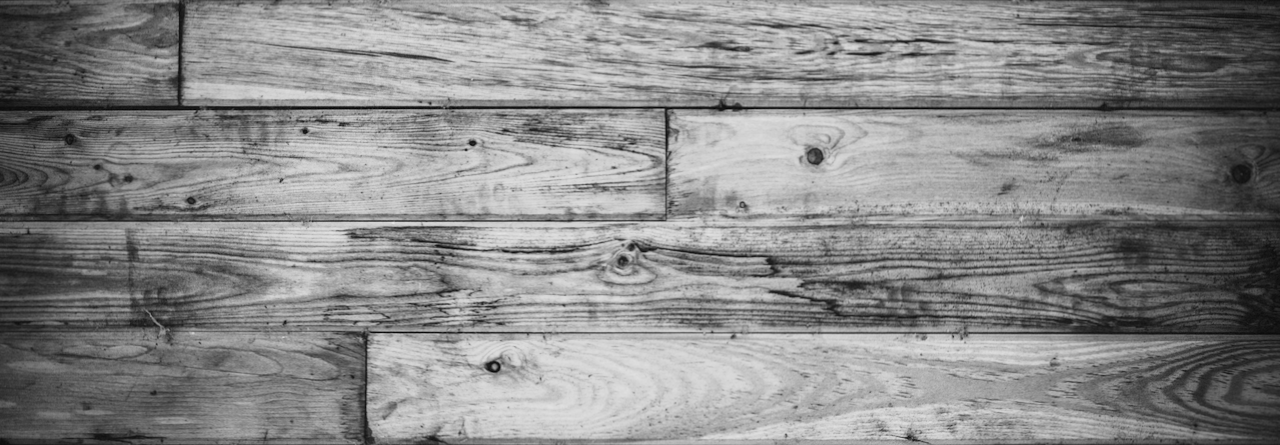
I have known days when the floor felt like the safest place to keep my eyes. Old wood, scarred and splitting, honest in its damage. Floorboards don't ask anything of you. They don't expect performance. They don't require you to explain why lifting your head feels like lifting stone. Looking down became a kind of prayer then, if prayer can be made out of exhaustion. I studied every crooked crack as if it might tell me how to stay in one piece. Lost in shades of "I'm okay."
That's one of depression's cruelest talents: it makes quietness look virtuous. It teaches you to disappear by degrees. To answer softly. To ask for nothing. To become grateful for being overlooked. In a world where people carry suffering with their teeth clenched, depression can pass for character. It can look like humility, reserve, tiredness, a private nature. It can sit beside you at dinner and nobody names it. It can sit with you in a crowded room and go unrebuked. And it grows.
Life is full of things left to rot beautifully. Houses collapse in slow elegance. Vines consume porches and fence posts. Family grief gets folded into story until the story is all anyone remembers. Depression belongs easily in such a landscape because it is, at heart, a slow devouring. Not dramatic enough, at first, to alarm anyone. It is the gradual conviction that your life is becoming a room you no longer know.
There were seasons when I felt less like a person than a haunted property. Every thought came through warped. Every memory arrived carrying accusation. Morning didn't feel new. It felt repetitive, almost punitive, as though I had been sentenced to wake again. The ordinary tasks of being alive, like showering or answering texts, took on the weight of impossible labors. Depression can make the smallest act feel theatrical in its difficulty. It can make brushing your teeth feel like dragging something holy out of the grave.
And still, the world goes on as if it has not noticed. Birds raise a racket in the yard. Somebody cuts their grass. Distant bells carry over the neighborhood. A dog barks at nothing. It all feels offensive somehow, that ordinary life should continue to announce itself while you are pinned beneath your own mind like a body under collapsed timber.
People who haven't known depression often speak of it too brightly or too bluntly. They call it sadness, when sadness is only one room in the house. Depression is heavier and less romantic. It isn't always crying. Often it is the absence of any feeling sharp enough to frighten you. It's the fork falling from your hand because even hunger seems theoretical. It is answering, "I'm just tired," because saying, "I don't know how to want to be here today," would crack the day open in ways you cannot manage. It is the shame of becoming difficult to reach, then the deeper shame of being reached and not knowing how to answer.
Depression lies, but never in a voice strange enough to reject outright. That is what makes it dangerous. It sounds intimate. Reasonable. It says, "You are a burden." It says, "Everybody is tired of carrying you." It says, "Your absence would be easier to manage than your pain." It is not inventive, only persistent. It circles the same accusations until repetition hardens into something that feels like truth. In the late hours, under a ceiling gone heavy, those lies can sound almost merciful.
Darkness rarely enters wearing a monster's face. More often it comes as a whisper through the screen door. A familiar voice in the next room. A kindness with something spoiled beneath it. Depression works the same way. It doesn't always command. Sometimes it suggests. Sometimes it strokes your hair and tells you to stop trying. Sometimes it frames surrender as rest.
That is why surviving it can look so unimpressive from the outside.
Sometimes survival is only this: not listening. Or not listening all the way. Letting the lie speak and still refusing to call it scripture. Getting through an hour, then another. Lying still in a dark room and deciding, with no triumph at all, to remain.
What saves a person in those seasons is rarely grandeur. It is often something plain enough to miss if you are not careful. A friend who doesn't require explanation. A voice on the phone steady enough to borrow. A song that cuts through the static. A room where you can say, "I am not well," and nobody rushes to turn it into a lesson. There is profound mercy in being allowed to be unlovely and still be loved.
Depression wants kingship. It wants the final word. It wants to rename every past wound as prophecy and every future possibility as foolishness. It wants you to believe that because this pain is thorough, it must also be permanent. But thorough and permanent are not the same thing.
Depression thrives in abstraction: worthlessness, hopelessness, pointlessness, forever. Love answers with objects. Chair. Table. Door. Hand. Stay here. Eat this. Call me back. Come sit down. The body must sometimes be reminded, in its own language, that it hasn't been forsaken.
I don't think healing is as clean as people want it to be. Some days the darkness lifts. Some days it only loosens its grip. Some days all you can say honestly is that you did't let it take you. And that, despite what the world rewards, isn't failure.
Because dawn, in depression, is not metaphorical. It can be as literal and stubborn as the light easing around the blinds after a night spent bargaining with your own thoughts. The lie loses some of its glamour in daylight. Not all of it. But enough, sometimes, to keep going. Enough to drink water. Enough to answer one message. Enough to stand at the sink and let morning happen around you.
The darkness can be chronic, inherited, seasonal, chemical, or all of these at once. Depression may know your habits, your vulnerabilities, the exact pitch of your self-contempt. But it doesn't know you better than the part of you still reaching for one more day. It doesn't own what it wounds.
Some things survive in ruined places. Wildflowers through split concrete. Green rising out of charred fields. Song from an open door in a town that has buried too many of its own. Maybe that is sentimental. Maybe it is simply true. A life can feel completely overcast and still not be over. A person can believe they're already halfway gone and still remain, still be held, still be needed in ways their illness cannot measure.
On the worst days, survival isn't glamorous. It's looking at the floorboards and staying anyway. It's enduring your own mind long enough for another voice to reach you.